
Weight Gain / Obesity
UNDERSTANDING WEIGHT GAIN / OBESITY
Weight gain and obesity are significant health issues that affect millions of people worldwide. Obesity refers to an excessive accumulation of body fat that poses a risk to health. In the UK, approximately 28% of adults are considered obese, according to recent data from the National Health Service (NHS). Additionally, around 36% of adults are classified as overweight, indicating that over 60% of UK adults have a BMI that places them in either the overweight or obese category.
Of adults are classified as overweight
of UK adults have a BMI that places them in either the overweight or obese category

Defining Overweight & Obesity
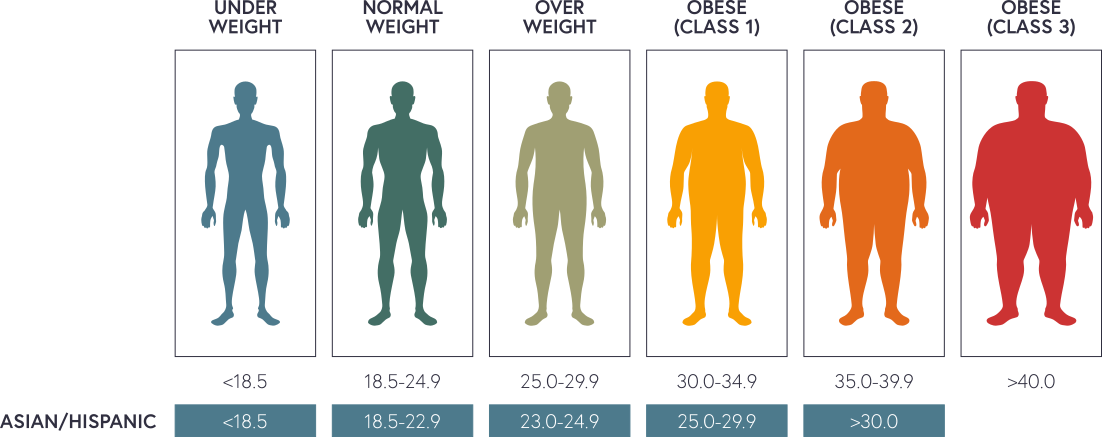
Overweight and obesity are determined by measuring Body Mass Index (BMI), a calculation of weight relative to height. A BMI of 25-29.9 is classified as overweight, while a BMI of 30 or higher indicates obesity. However, BMI is often misunderstood. Many believe it directly measures body fat, but it’s only an estimate. It also doesn’t account for factors like muscle mass or fat distribution, leading to potential misclassification of body types.
Causes of Weight Gain & Obesity
Several factors contribute to weight gain and obesity, with common contributors considered to be poor diet and lack of physical activity.
For some individuals, weight gain and obesity are particularly challenging to avoid due to the multifactorial nature of the condition. Obesity is influenced by a combination of environmental, genetic, and social factors. Genetics can predispose certain people to store fat more easily or have slower metabolisms. A predisposition to weight gain is often linked to the way the brain regulates appetite, satiety, and food cravings.
Certain areas of the brain, such as the hypothalamus, play a key role in managing hunger signals and energy balance. In individuals predisposed to weight gain, these brain mechanisms may respond differently to hormones like leptin and ghrelin, which control hunger and fullness. This can lead to stronger cravings for high-calorie foods or reduced feelings of satiety after eating, making it more challenging to maintain a healthy weight. Genetics can also influence how the brain processes reward signals, causing some people to derive more pleasure from eating, which can lead to overeating.
Health Risks Associated with Obesity
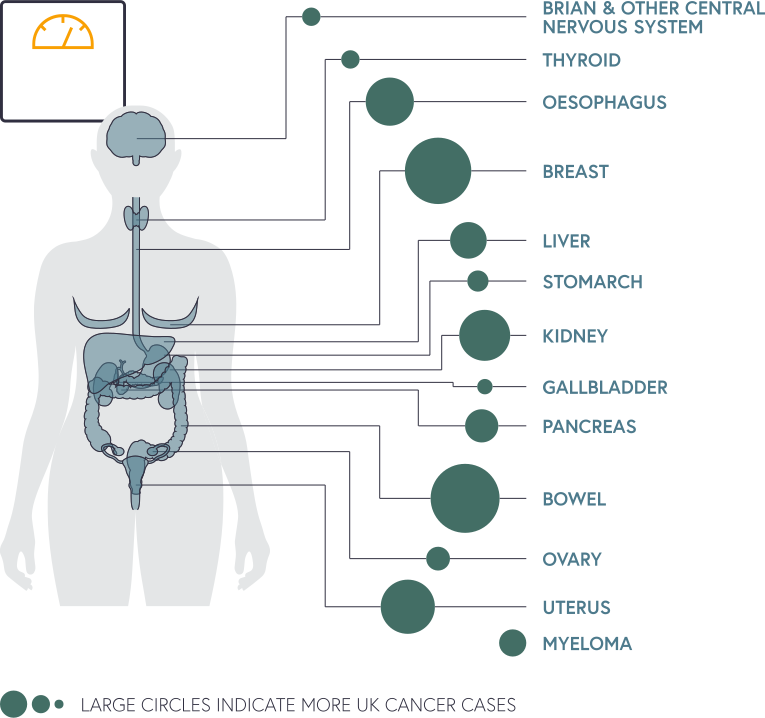
Obesity should be perceived as a disease with wide-ranging health implications that extend beyond weight gain. It increases the risk of developing chronic conditions such as type 2 diabetes, heart disease, hypertension, and stroke. Obesity also plays a significant role in the development of certain cancers, including breast, colon, liver, and kidney cancer.
Additionally, excess weight can strain the body’s joints, leading to osteoarthritis, and increase the likelihood of sleep apnea, a condition that disrupts breathing during sleep. The impact on mental health is also significant, as individuals with weight gain / obesity are more prone to depression, anxiety, and social isolation, making it a complex disease with both physical and psychological consequences.
-
A person with a BMI of 25-29.9 is considered overweight
-
A person with a BMI of 30 or more is considered obese
Summary of the actions of main hormones involved in appetite regulation & metabolic set point theory
| Hormone | Action | Effect of obesity | Effect of weight loss | Effect of bariatric surgery sleeve/bypass |
|---|---|---|---|---|
GhrelinProduced in stomach |
Controls hunger and satiety |
Blunted response after eating - should be decreased but isn’t. |
Increases Ghrenlin, causing more hunger and decreased satiety |
Decreased/variable |
LeptinProduced in fat cells |
Decreases appetite |
Leptin resistance (levels similar but less response) |
Decreases leptin, causing increased appetite |
Decreased/Decreased |
Peptide YYSecreted in lower intestine |
Satiety hormone |
Lower levels |
Further lowers PYY |
Increased/Significantly increased |
CCKSecreted in small intestine |
Satiety and reduces hunger |
Unknown |
Decreases CCK levels causing more hunger and less satiety |
Insignificant |
GLP 1Secreted from gut |
Reduces hunger and slows gastric emptying |
Reduced levels post-prandially meaning increased hunger |
Decreases levels meaning increased appetite |
Increased/Significantly increased |
increasing rates of obesity
Several factors contribute to weight gain and obesity, with common contributors considered to be poor diet and lack of physical activity.
For some individuals, weight gain and obesity are particularly challenging to avoid due to the multifactorial nature of the condition. Obesity is influenced by a combination of environmental, genetic, and social factors. Genetics can predispose certain people to store fat more easily or have slower metabolisms. A predisposition to weight gain is often linked to the way the brain regulates appetite, satiety, and food cravings.
Certain areas of the brain, such as the hypothalamus, play a key role in managing hunger signals and energy balance. In individuals predisposed to weight gain, these brain mechanisms may respond differently to hormones like leptin and ghrelin, which control hunger and fullness. This can lead to stronger cravings for high-calorie foods or reduced feelings of satiety after eating, making it more challenging to maintain a healthy weight. Genetics can also influence how the brain processes reward signals, causing some people to derive more pleasure from eating, which can lead to overeating.
22.5-25 KG
~80%
Chance of reaching age 70
35-40 KG
~60%
Chance of reaching age 70
40-50 KG
~50%
Chance of reaching age 70
Visceral fat vs subcutaneous fat
Visceral fat is stored deep within the abdominal cavity, surrounding organs such as the liver and intestines. It is metabolically active and releases pro-inflammatory substances, contributing to conditions like cardiovascular disease, type 2 diabetes, and insulin resistance. Excess visceral fat can be harmful due to its unique metabolic activity, particularly in omental fat, which can disrupt normal metabolic functions. This type of fat is prone to inflammation, contributing to chronic health conditions. An abundance of visceral fat often indicates dysfunctional subcutaneous fat storage, meaning the body struggles to store fat properly under the skin.
It is also linked to ectopic fat deposition, where fat accumulates in organs such as the liver, heart, and muscles, further increasing health risks. Excess visceral fat frequently results from consuming a high-calorie, energy-dense diet rich in refined foods. Additionally, it is commonly associated with physical inactivity, highlighting the importance of regular movement for overall health.
Subcutaneous fat, in contrast, lies just beneath the skin and serves as an energy reserve and insulation for the body. Though less metabolically active, excessive subcutaneous fat can still contribute to obesity-related health risks.
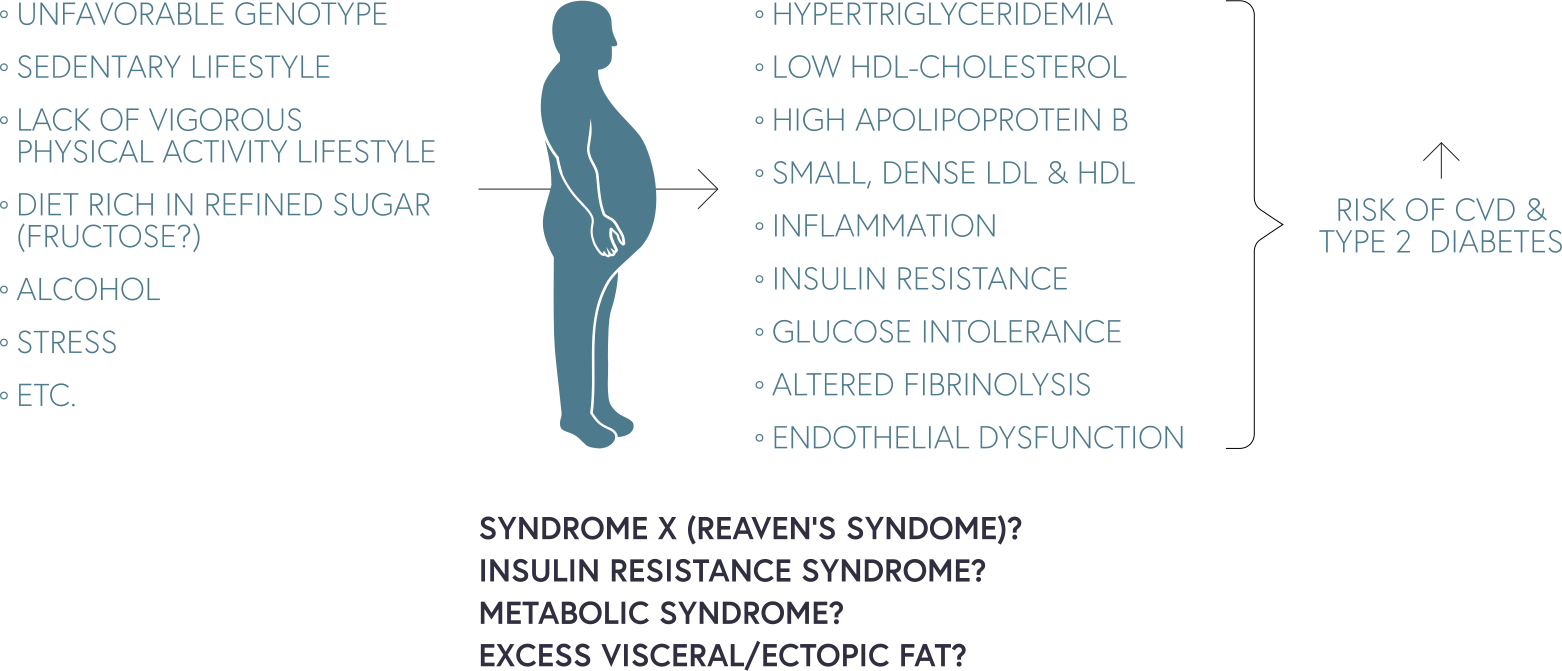
how obesity predisposes to a range of health conditions
Overweight & obesity is the UK’s biggest cause of cancer after smoking
Being overweight can cause 13 types of cancer

Managing Weight Gain / Obesity
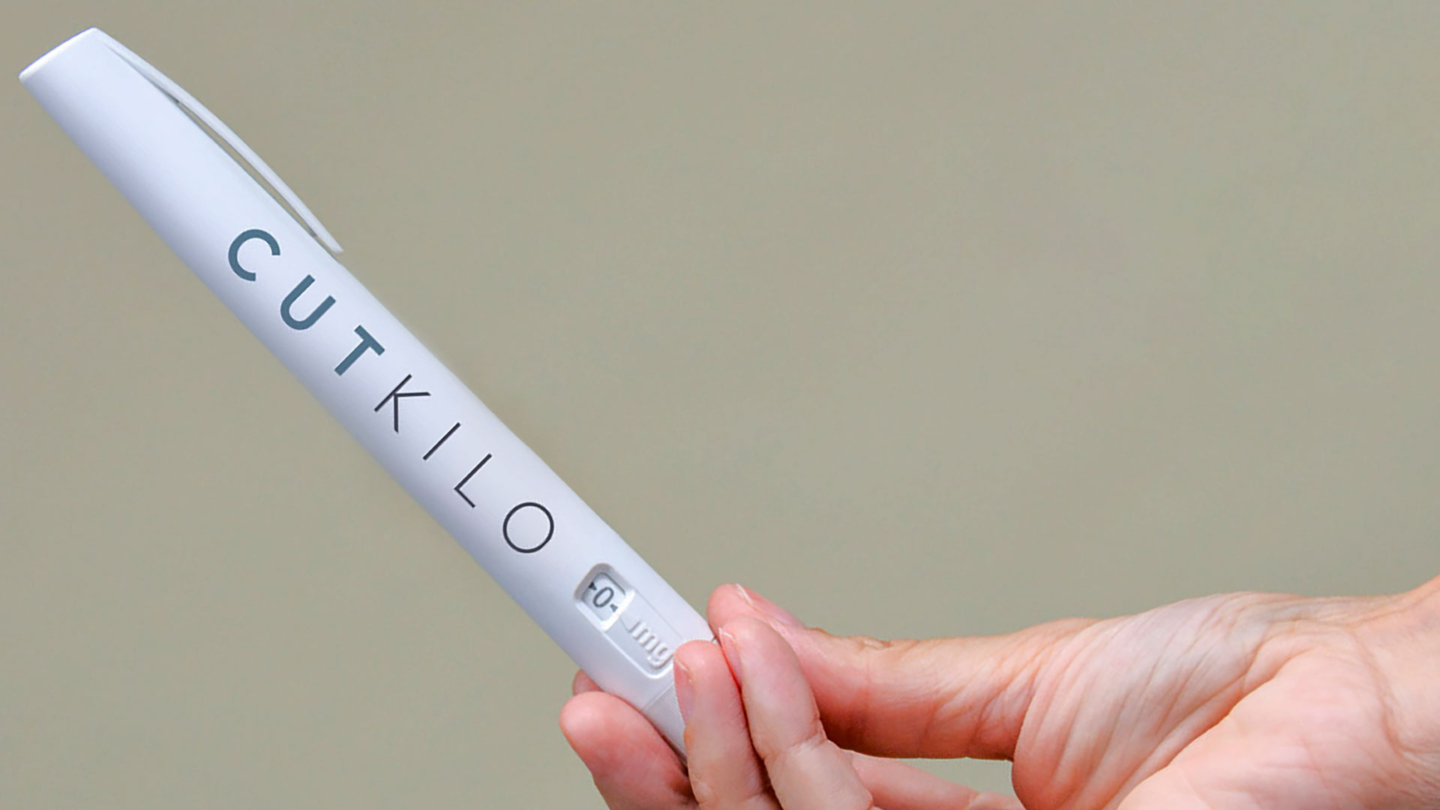
For some, diet and exercise alone may not be enough to achieve and maintain healthy weight loss. In such cases, medications like Mounjaro (tirzepatide) can be beneficial. CutKilo offers this injectable treatment to help patients achieve significant weight loss.
Muonjaro works by mimicking hormones involved in appetite and digestion. It’s particularly useful for individuals struggling with obesity-related health conditions, helping them achieve significant weight loss when combined with lifestyle changes.
Crunch the numbers with our BMI Calculator
*Enter your height and weight into our BMI calculator to estimate your healthy range and see how much weight you can safely lose. We’ll use this figure as a useful indication in your initial consultation.
If you have an Asian, Chinese, Middle Eastern, Black African or African-Caribbean family background you’ll need to use a lower BMI score to measure overweight and obesity:
- 23 to 27.4 -you’re in the overweight range
- 27.5 or above -you’re in the obese range